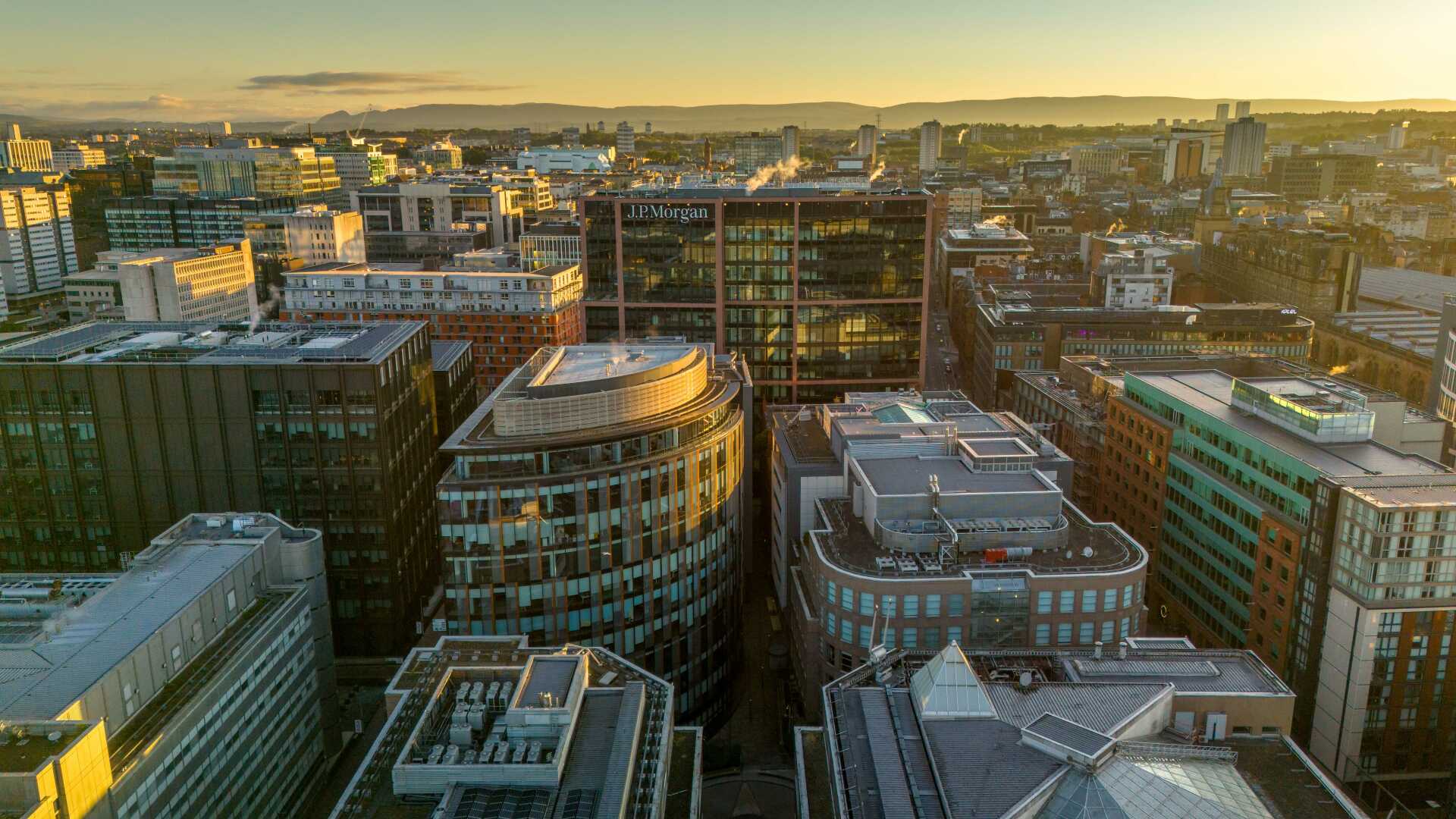
Why Central Glasgow?
Central Glasgow is the engine of Scotland’s largest metropolitan regions, a dynamic centre where culture, talent and economic activity converge. The area is a powerhouse of business activity supported by vibrant cultural assets and a strong day and night-time economy.
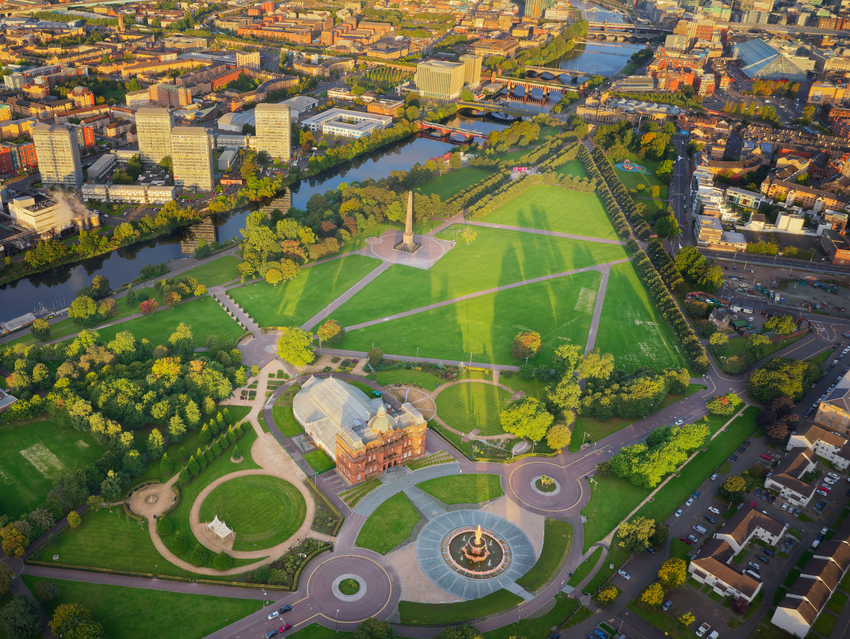
The city centre is now undergoing a once in a generation transformation, driven by a clear strategy to create a greener, more walkable and more liveable core.
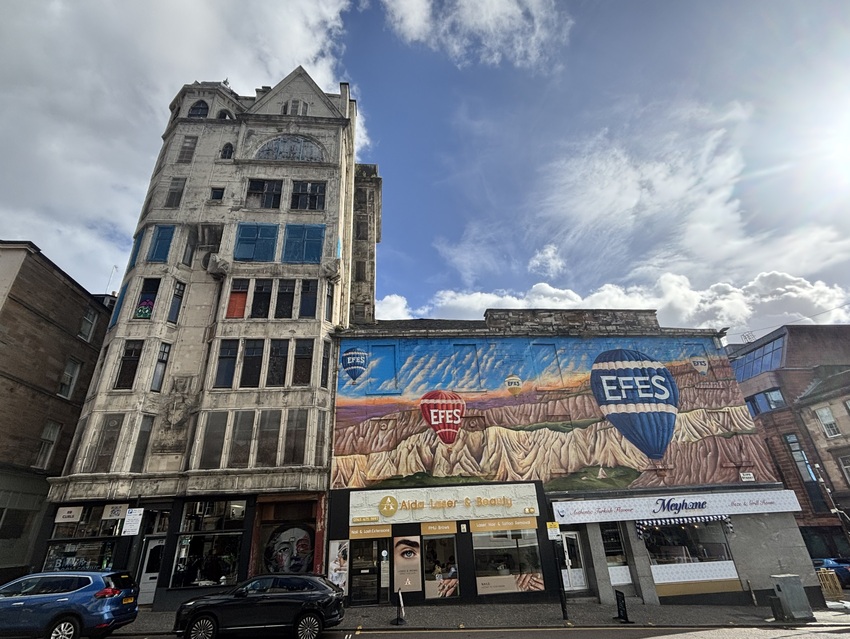
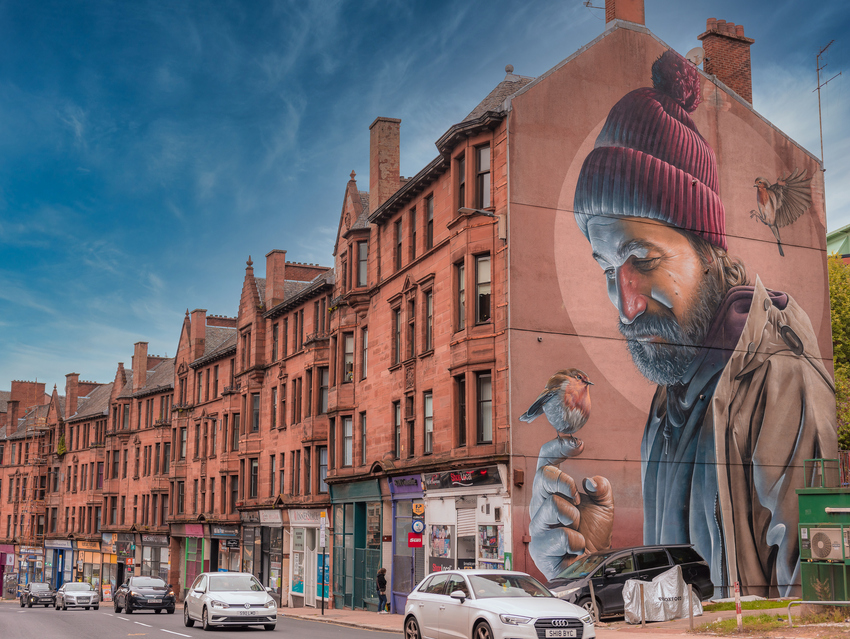
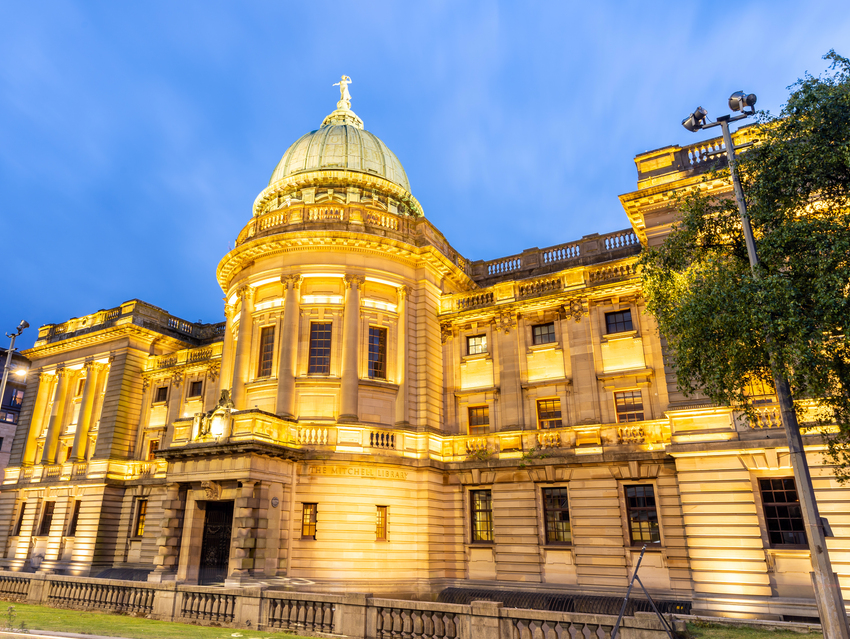
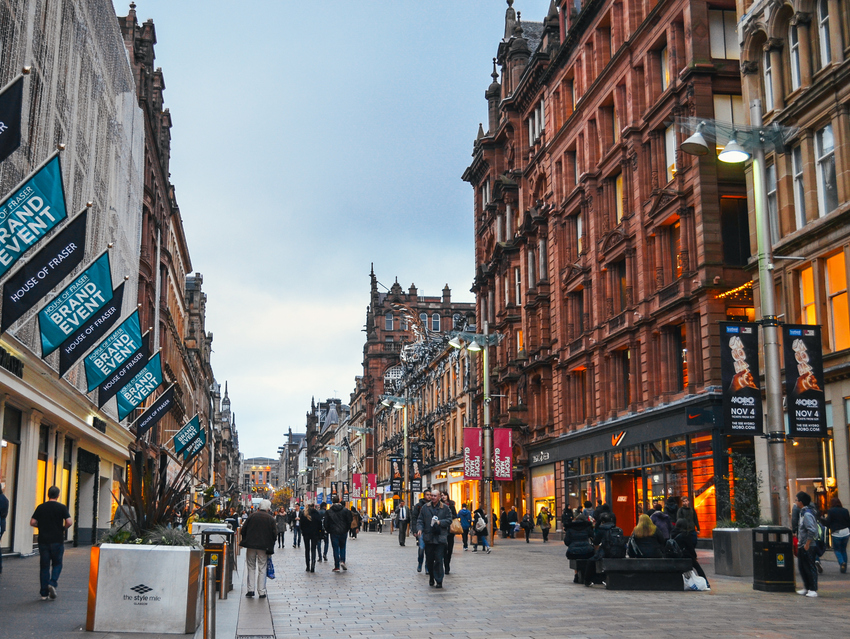
Glasgow’s unique architectural and cultural heritage spanning 19th century urbanism, world renowned design, and a rich creative identity gives the city centre a character and sense of place unlike anywhere else in the UK.
A clear, ambitious vision
- Glasgow’s ambition for its city centre is to create a vibrant, inclusive and sustainable urban core by 2030. The City Centre Strategy 2024-30 focuses on making the centre greener and more walkable, reducing car dependency, and improving climate resilience through expanded green spaces and ‘people friendly’ streets.
- A key goal is to build a more inclusive city centre by doubling its residential population and repurposing vacant buildings into homes, helping to create mixed, diverse neighbourhoods that support social cohesion and wellbeing.
- Strengthening culture, innovation and the digital economy sits at the heart of ensuring an economically inclusive centre that attracts businesses, workers and visitors.
- Overall, the ambition is clear, a high quality, low carbon, future ready city centre that offers a high quality of life, supports creativity, opportunity and a fairer future for all.
A centre rich in assets, talent and connectivity
- Central Glasgow contains one third of all jobs in the city, anchoring Scotland’s largest metropolitan economy.
- It hosts a vibrant cultural and creative scene, distinctive architecture and strong experiential assets, supporting both daytime and night-time economies.
- Highly accessibile, the city centre sits at the heart of Scotland’s densest transport network with easy connections across the region supporting work, study and leisure.
- It is home to leading universities, colleges and Glasgow City Innovation District (GCID) enhances its status as a centre of talent and innovation.
The wider region benefits from strong agglomeration and supply chain connectivity, with 75% of business trade occurring within the region, boosting productivity and collaboration.
Clear direction and momentum
- Central Glasgow has clear strategic direction and a well-defined delivery framework, giving investors confidence in the city centre’s long-term trajectory.
- More than £200 million in public investment since 2019, with a further £120 million already committed for the duration of the City Centre Strategy.
- Glasgow City Centre has an active development pipeline, with several due to start in the near future including Ingram Street and Collegelands.
- The City Centre Strategy 2024–2030 includes 19 Priority Actions, coordinated through the City Centre Task Force and supported by the Strategic Development Framework.
- Regeneration has moved decisively from planning to delivery, with coordinated structures ensuring consistent progress across key districts.
Transformation already underway
- The Avenues and Avenues Plus programmes represent the largest streetscape overhaul in 50 years introducing tree-lined streets, rain gardens, active travel corridors and high quality public spaces.
- Major private sector developments underway include Candleriggs Square, King Street’s zero car neighbourhood, Custom House Quay, and the Buchanan Galleries reinvention are reshaping the urban core.
- The repurposing of historic and underused buildings is accelerating, illustrated by projects such as Station House, as well as citywide efforts to activate vacant upper floors, modernise ageing office stock and support meanwhile uses.
- Significant mixed use and residential schemes such as Sauchiehall Street’s M&S redevelopment, The Àrd student towers, and multiple student and residential projects signal a rapidly growing residential and investment market.
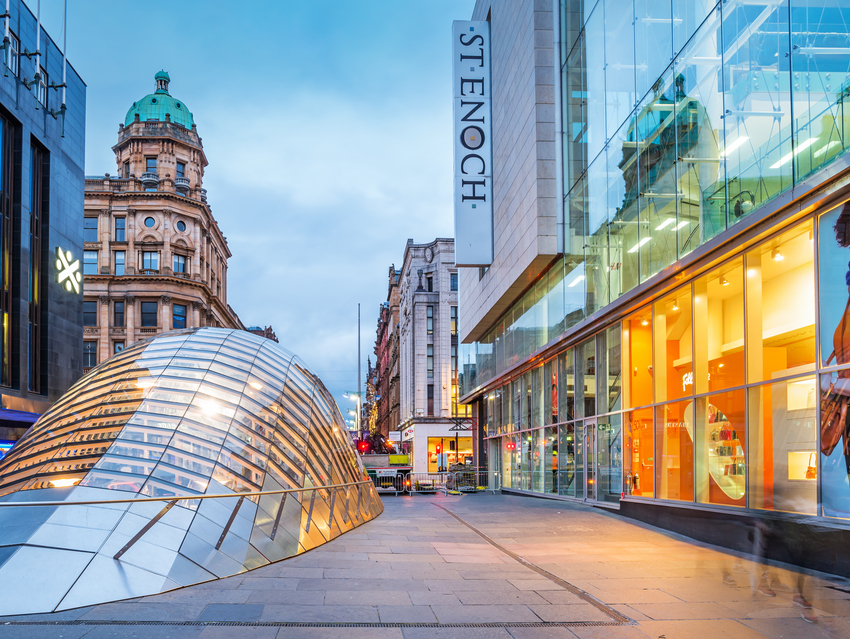
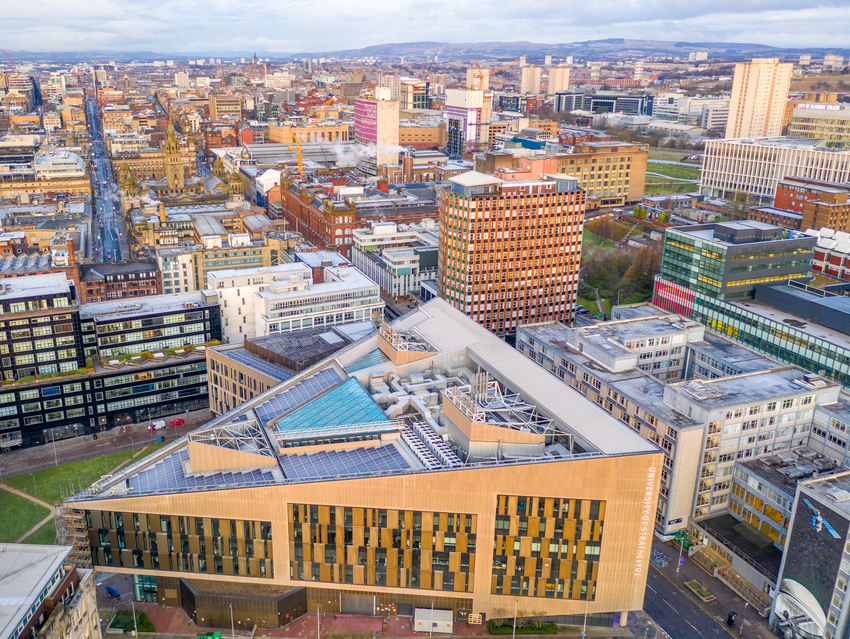
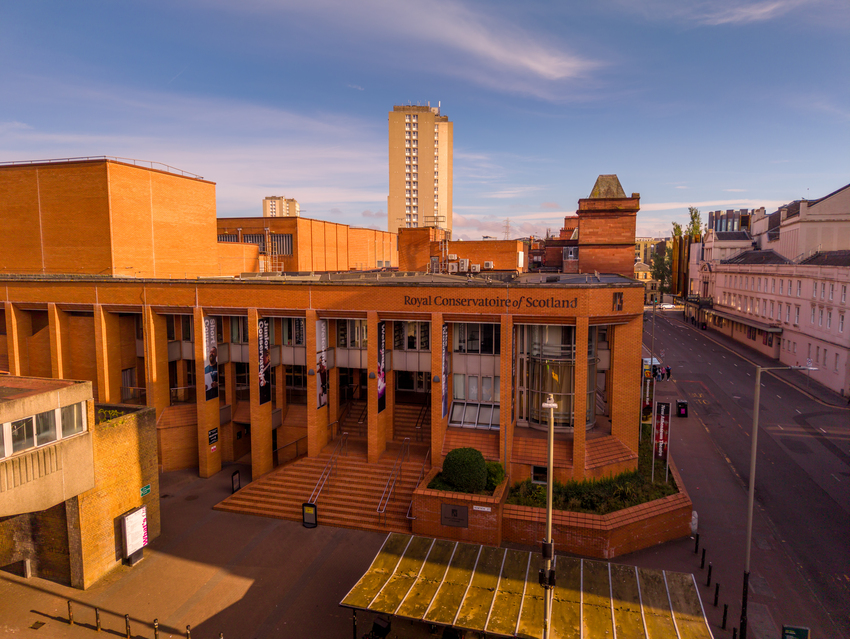
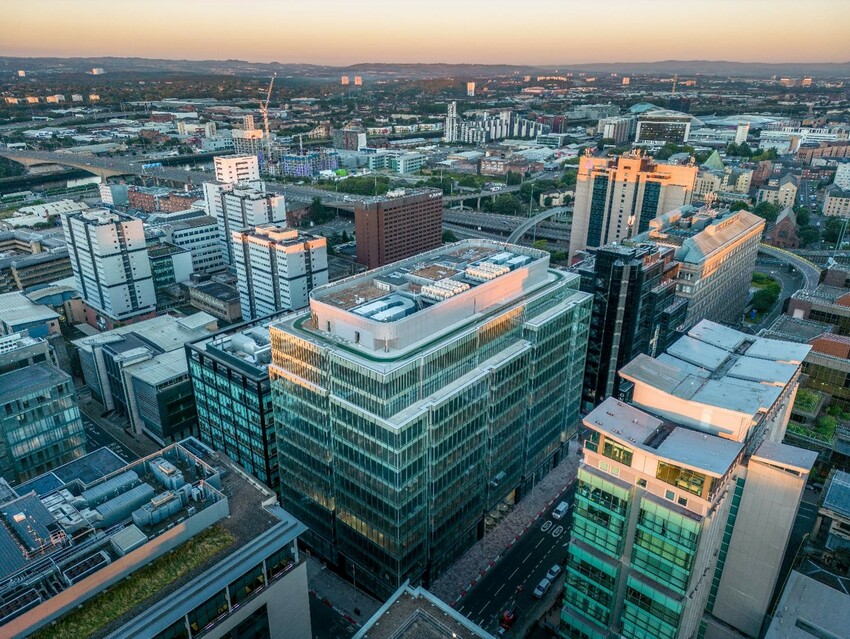
Offices remain the dominant investment focus in Central Glasgow, with £172m invested in 2024, a 71% increase on 2023 and ahead of the city’s five-year average.
This reflects sustained confidence in Glasgow’s growing role as a business and professional services hub, underpinned by strong and resilient occupier demand.
The city centre office market recorded its strongest quarterly take-up in over four years in Q1 2026 (230,000 sq ft), with demand remaining stable at around 600,000 sq ft annually - significantly above recent historic levels.
Activity is being driven by a return of larger deals alongside a continued volume of smaller lettings, indicating depth across the market. At the same time, vacancy is increasingly concentrated in lower-quality stock, with only a very limited supply of prime, Grade A space available, reinforcing upward pressure on rents and supporting ongoing investor and developer interest.
Professional services continue to underpin the city centre market, accounting for 27% of all office take-up, with major legal and advisory firms expanding their presence in the core business district.
Beyond offices, investment activity in Glasgow is increasingly diversified. While city centre specific percentages are not published, Scotland-wide investment patterns show the direction of investor appetite: shopping centres (22%), offices (19%), retail warehousing (15%), living sectors (13%), and alternatives and industrial (10% each), with high street assets accounting for 9%.
These trends align closely with emerging activity in Central Glasgow - particularly renewed interest in Buchanan Street and prime retail locations.
The combination of rising domestic investor activity, returning overseas capital - especially French investors - and steady deal flow across asset types reinforces Central Glasgow’s increasing appeal as a resilient, well-diversified urban investment destination.